Botswana.
LARGE SCALE CONSERVATION


Protecting Biodiversity
With over 9.1 million acres (3.68 million hectares) under contract for protection, Akashinga continues to expand our impact and is becoming one of the most prolific conservation organizations protecting Africa’s biodiversity. We strategically position programmes in areas that are at risk of biodiversity loss with high restoration potential, contributing to the empowerment of indigenous peoples to protect their traditional lands.
In delivering our programmes, Akashinga contributes to global conservation strategies at the landscape level, including aligning with the Global 30x30 Challenge, Protecting Our Planet Challenge, the Aichi Biodiversity Targets, and Agenda 2063 of the African Union.
Akashinga’s work also addresses 15/17 UN Sustainable Development Goals, with the SDGs forming a blueprint to achieve a better and more sustainable future for our Botswana programme. Established in 2021, our partnership with NGO Kalahari Research and Conservation (KRC) covers 5 million acres (2,023,430 hectares) of protected landscapes, providing sustainable social and financial opportunities to produce long-term ecological and economic results where communities and nature thrive together.

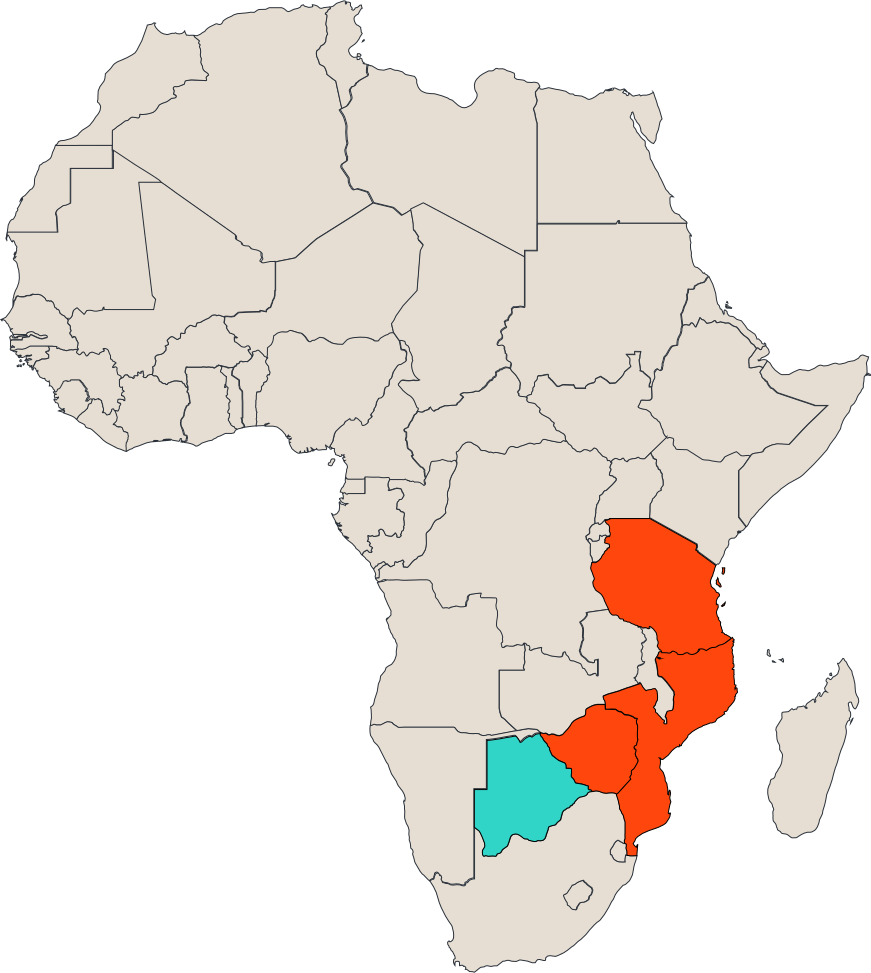
5 million acres of landscape and nature
conservation areas in Botswana.
Akashinga Delivers:
- Ecological stability, long-term protection, and restoration of large-scale wilderness landscapes.
- Support and empowerment of local communities to protect their land.
- The all-female Akashinga Community Scout Programme, recognized for its social benefits, gender equity, and as a model for effective law enforcement.
COMMUNITY-LED
CONSERVATION.
In Botswana, our community-led conservation efforts are forging a path of progress and empowerment by prioritizing ecological stewardship and economic prosperity.
So far, our projects have led to the creation of over 80 jobs for local community members, promoting gender equality and providing stable income sources.
In education, our investments in four primary schools yield tangible returns.
Through targeted funding and resource provision, we ensure a robust learning environment, complemented by innovative non-contact rugby clinics. Our community engagement efforts not only contributed to educational development but also led to the creation of over 80 jobs for local community members, promoting gender equality and providing stable income sources.
We recognize the pivotal role of women in conservation and have thus implemented comprehensive training programs and cutting-edge camera trap initiatives in strategic locations such as Ncaang, Ukhwi, and Ngwatle.
These endeavors not only empower women within their communities but also serve as a formidable deterrent against poaching activities, bolstering our conservation efforts on multiple fronts.
AKASHINGA'S IMPACT IN 2023.
Our conservation model prioritizes community-driven initiatives, empowering local women to lead in the restoration and management of wilderness areas. Community councils retain ownership of the land and actively participate in social impact activities, such as gaining access to necessary resources, in collaboration with Akashinga.
Our partnership with KRC in Botswana continues to foster a strong commitment to sustainable community development and nature conservation.
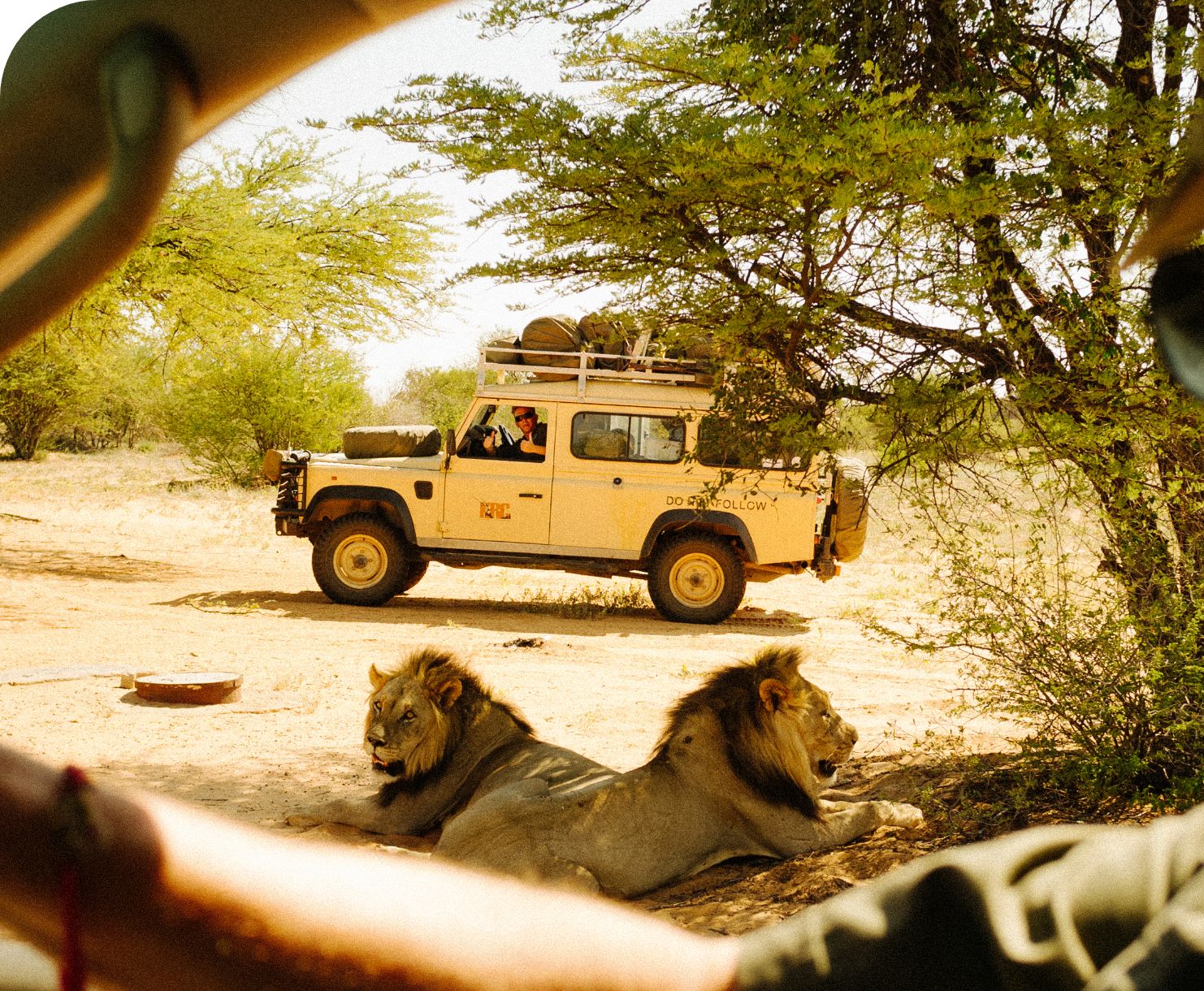
In August, KRC conducted a comprehensive lion survey, deploying camera traps and satellite collars, and establishing an early warning system with vultures, which proved effective in detecting poaching camps.

The organisation facilitated poison training for both wildlife vets and its own staff, contributing to broader conservation efforts.

Amidst these accomplishments, KRC facilitated academic achievements, with two student interns obtaining wildlife-focused master's degrees. The team actively participated in wildlife conferences, contributed to scientific publications, and initiated a Ph.D. research project.
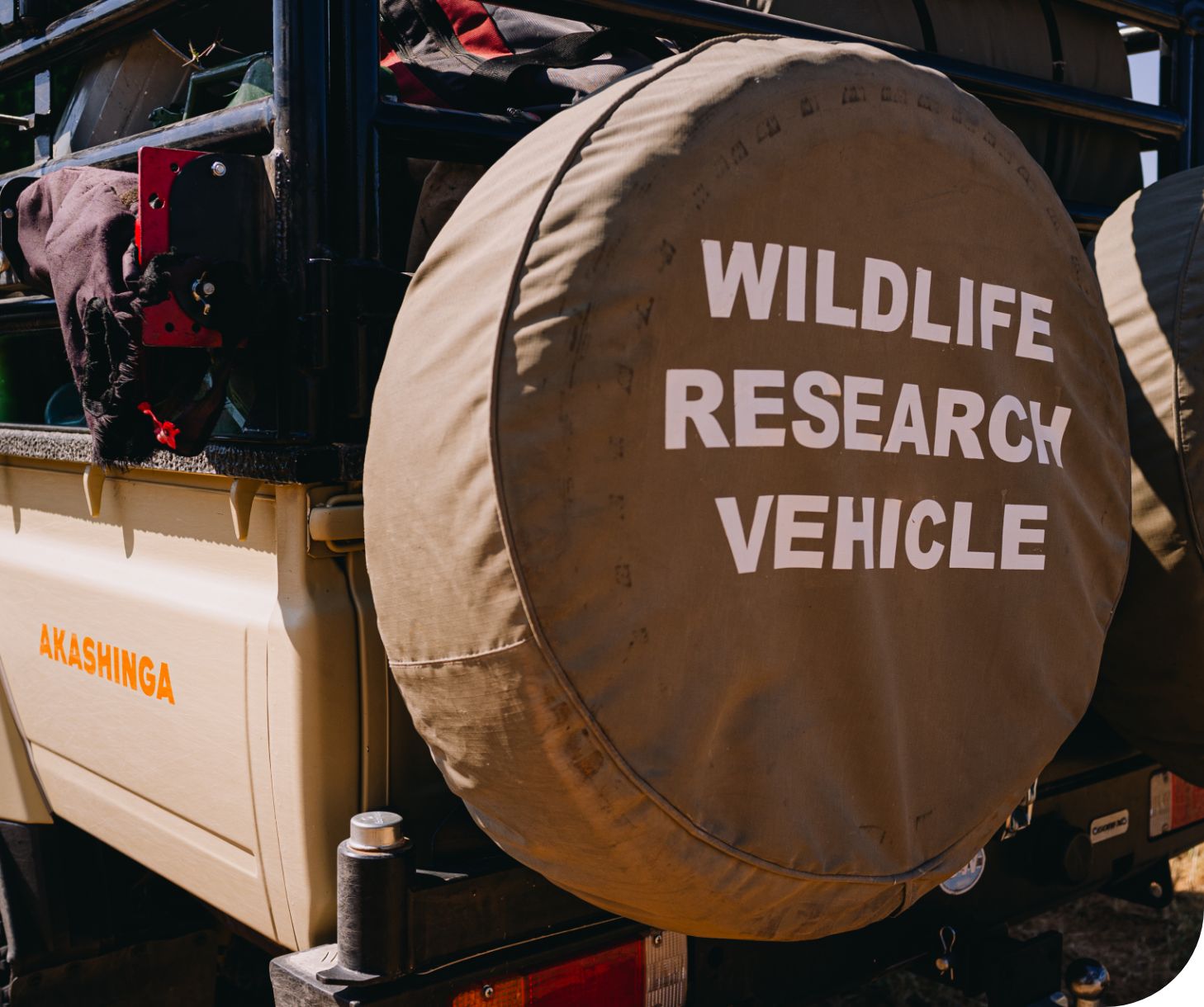
Operational enhancements included acquiring new vehicles, equipment, and renting additional housing to support an expanding team. The organization also hosted international visitors, fostering collaborations and knowledge exchange.
Kalahari Research & Conservation (KRC)
Kalahari Research and Conservation (KRC), was established by Dr Glyn Maude in 2008. Over the years KRC and its team has built up a wealth of experience in successfully conducting significant and long lasting research on wildlife in Botswana and then playing a leading role in wildlife conservation efforts.
Based in Hukuntsi the KRC team is a multinational blend of scientists, students and conservationists with a Botswana core.
Learn more about KRC here