

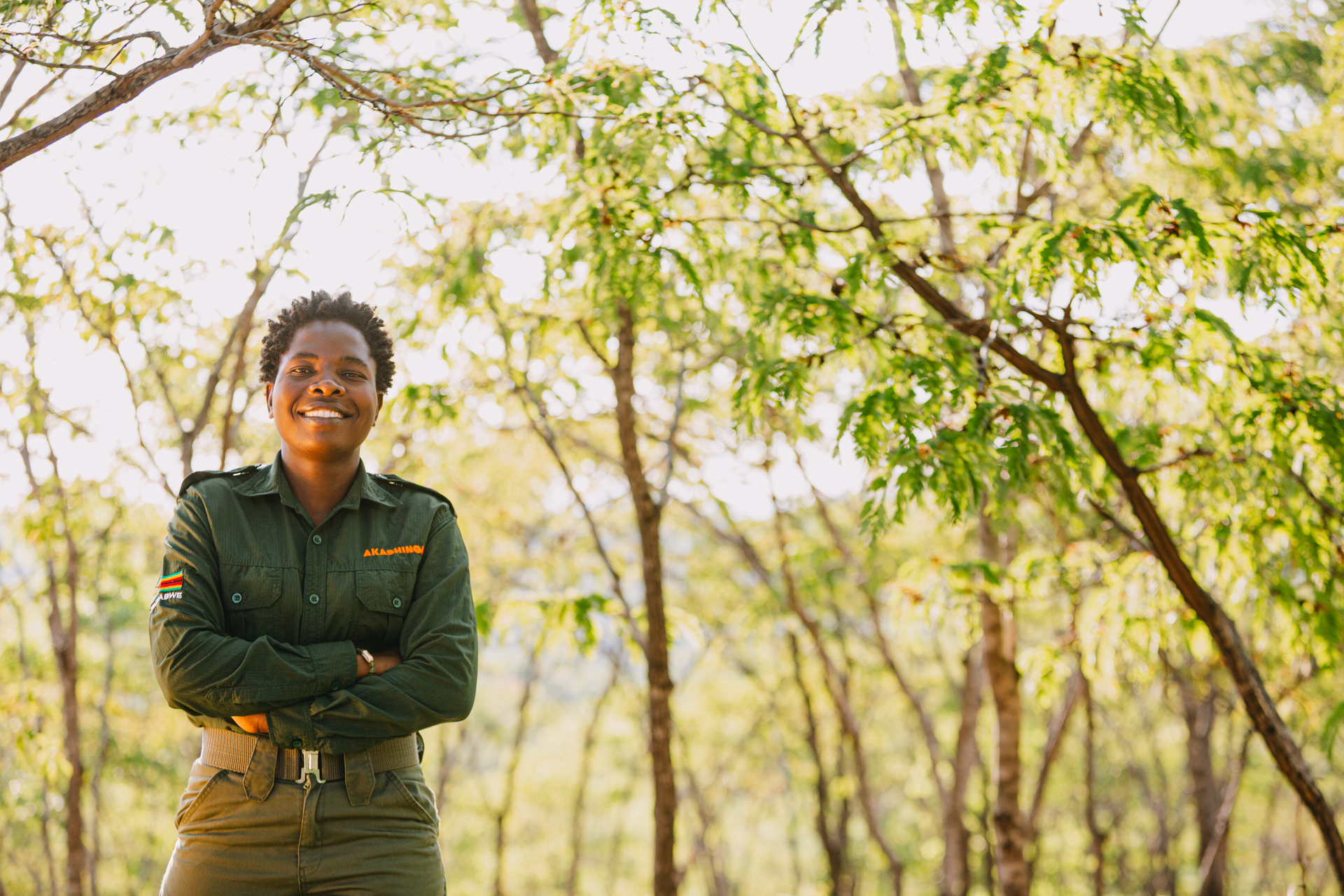
In 2017, roughly 100 women applied when Akashinga began recruiting rangers through the traditional leaders in Nyaradzo Auxilia Hoto’s community in Zimbabwe’s Lower Zambezi Valley. Sixteen were chosen. She was one of them, and this month she sat down with Mongabay’s David Akana to talk about what has happened since.
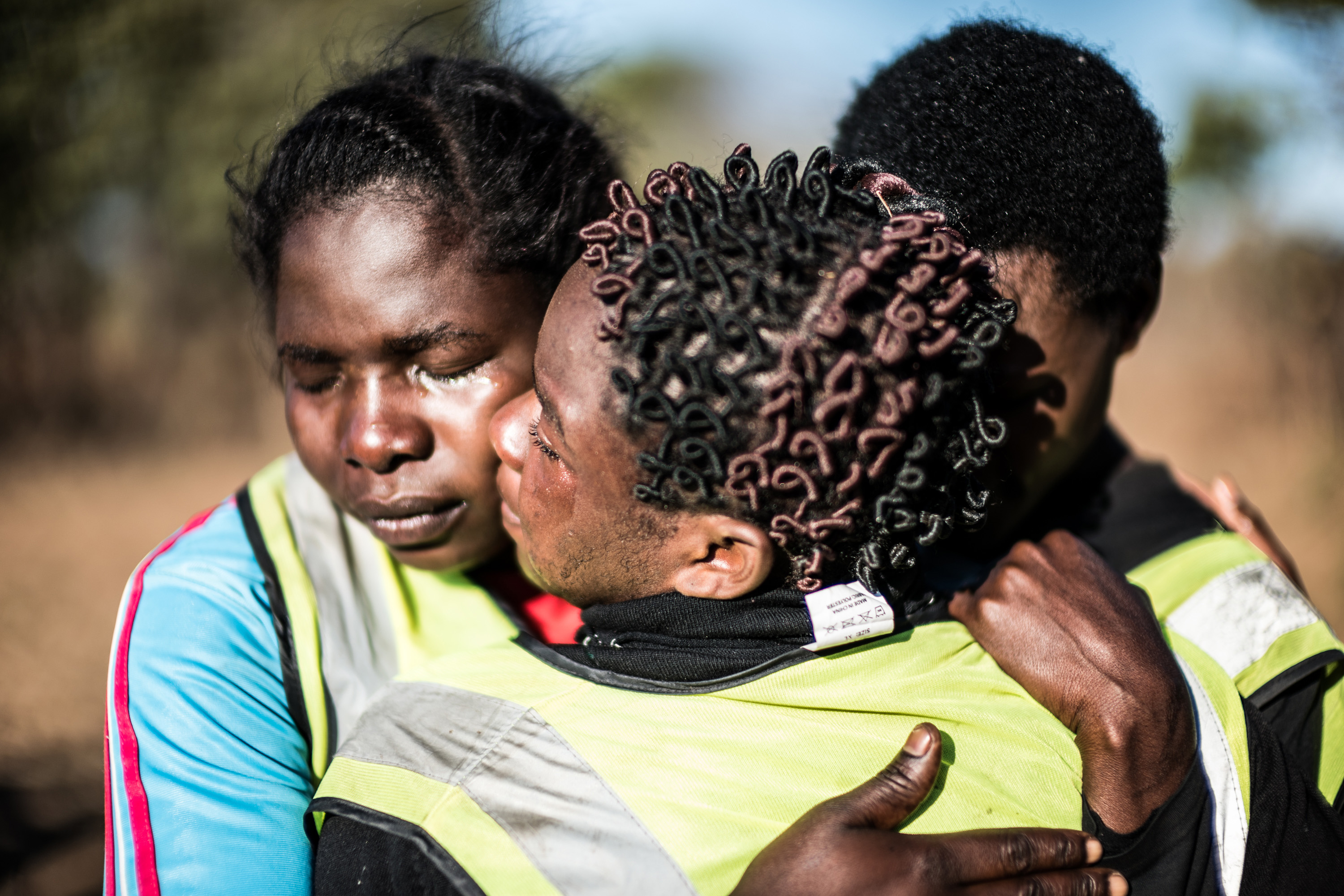
The short version is a career that has moved through almost every part of the organisation. She was promoted to Sergeant in 2019, leading other women on patrol. The same year she began a degree in Wildlife, Ecology and Conservation at Chinhoyi University of Technology on an Akashinga scholarship, studying at night between patrols and often sleeping four or five hours. In 2022 she received the IUCN International Ranger Award at the Africa Protected Areas Congress in Kigali. She graduated in 2023 and moved into Akashinga’s Science Department as a Biodiversity Officer, where the sightings and signs Akashinga Rangers record on patrol become baseline surveys, seasonal maps of where animals move, and advice to patrol teams on where to focus.

The longer version is the part worth your time. She describes the first time the recruits wore their uniforms, walking through town to open bank accounts ahead of their first salaries. She describes facing a lion at ten metres and the training that told her not to run. She describes the first poachers her team arrested, who did not believe women could arrest men, and the instruction she carried from training: that an arrest is also a chance to talk about why wildlife matters. And she describes the pangolin she saw on patrol, an animal she grew up knowing only from school books, and why that sighting is still her happiest memory in the field.

She is also direct about what is hard. Not everyone in her community supports the work yet, and some still see hunting as the way they always fed their families. Farmers near protected areas lose crops to elephants, and deterrents only go so far. “You cannot just tell people to coexist with wildlife without helping them deal with the problems,” she says. Her answer is to keep talking to communities and to keep involving them, including through the 2025 management effectiveness review in which village leaders chose community members to tell Akashinga what it was doing well and what should change.
On leadership, she puts it simply: listen more, talk less, and measure yourself by whether someone is ready to take over from you. Asked what she would tell women thinking about ranger work, she does not pretend it is easy. “Animals cannot speak, but we can speak for them.”
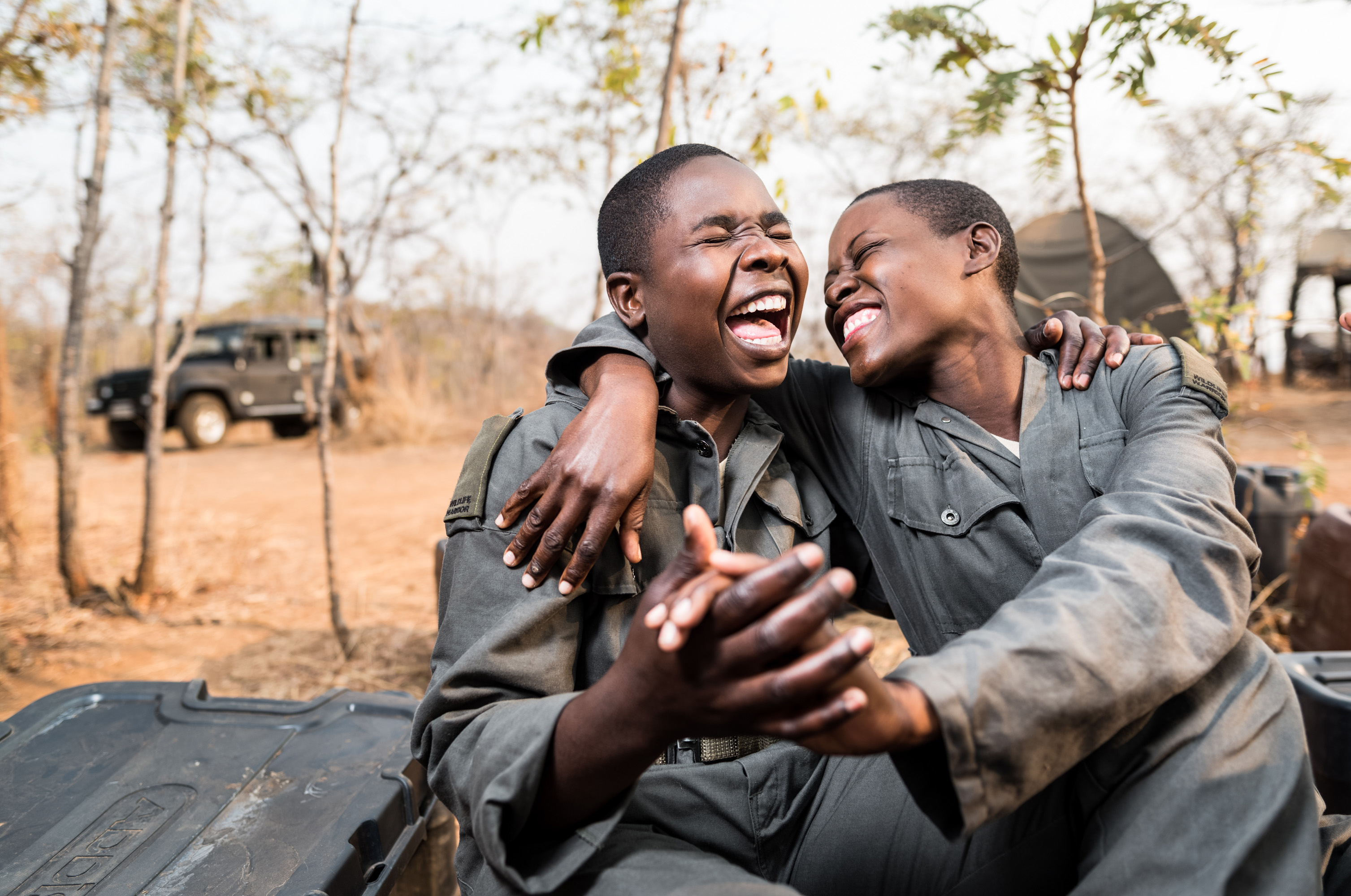
The interview also records the change she has watched in the reserve itself. When her team first patrolled, they saw more tracks than animals. Now elephants are recorded more often, and many no longer run when rangers approach.
Read the full interview on Mongabay.
If you'd like to support the people like Nyaradzo who are doing this work every day, consider giving to Akashinga.


