Zimbabwe.
COMMUNITY-LED CONSERVATION


Communities and nature
thrive together.
With over 9.1 million acres (3.68 million hectares) under contract for protection, Akashinga continues to expand our impact and is becoming one of the most prolific conservation organizations protecting Africa’s biodiversity. We strategically position programmes in areas that are at risk of biodiversity loss with high restoration potential, contributing to the empowerment of indigenous peoples to protect their traditional lands.
In delivering our programmes, Akashinga contributes to global conservation strategies at the landscape level, including aligning with the Global 30x30 Challenge, Protecting Our Planet Challenge, the Aichi Biodiversity Targets, and Agenda 2063 of the African Union.
Akashinga’s work also addresses 15/17 UN Sustainable Development Goals, with the SDGs forming a blueprint to achieve a better and more sustainable future for our Zimbabwe programme.
Established in 2009 with Akashinga Rangers entering in 2017, this programme covers a staggering 1.3 million acres (525,080 hectares) of protected landscapes, providing sustainable social and financial opportunities to produce long-term ecological and economic results where communities and nature thrive together.

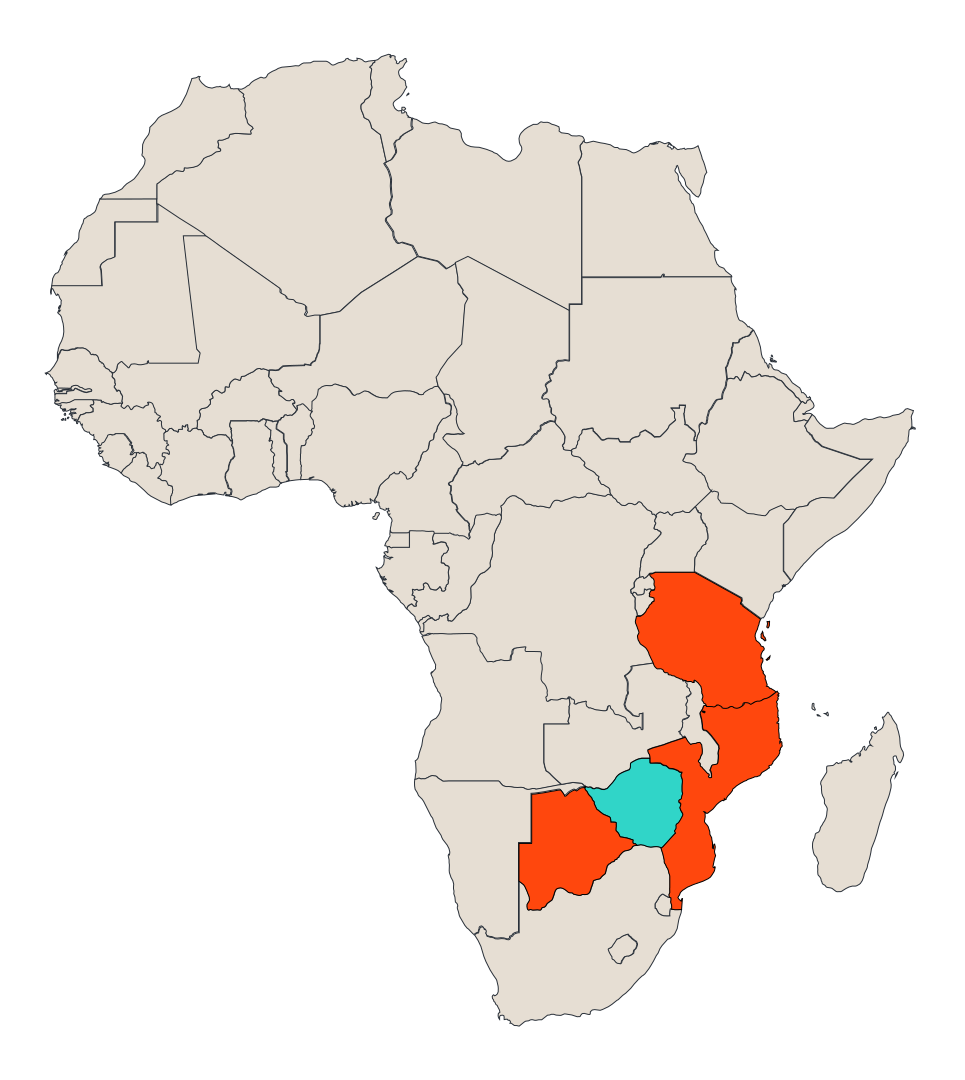
1.3 million acres of landscape and nature
conservation areas in Zimbabwe.
Akashinga Delivers:
- Ecological stability, long-term protection, and restoration of large-scale wilderness landscapes.
- Support and empowerment of local communities to protect
their land. Hurungwe and Binga Districts are home to more
than 100 local villages. - The all-female Akashinga Community Scout Programme, recognized for its social benefits, gender equity, and as a model for effective law enforcement.
Protecting Biodiversity.
This region of Zimbabwe is one of the most biodiverse and important ecosystems in Southern Africa containing: 7,000 species of plants, 200 mammal, 700 bird, 300 reptile and amphibian, 150 fish, and over 1,100 butterfly species, amongst others, including one of the largest remaining elephant populations in the world.
Our presence in Phundundu, Hurungwe provides extra protection to the southern border of Mana Pools — a UNESCO World Heritage Site.
Numerous tributaries feed into one of the world’s Great Rivers, the Zambezi. Holistic habitat conservation is an urgent priority to prevent erosion, siltation, agrochemical poisoning, and loss of biodiversity.
The expanses that Akashinga protects provide a critical buffer along the borders of national parks and safari lands.
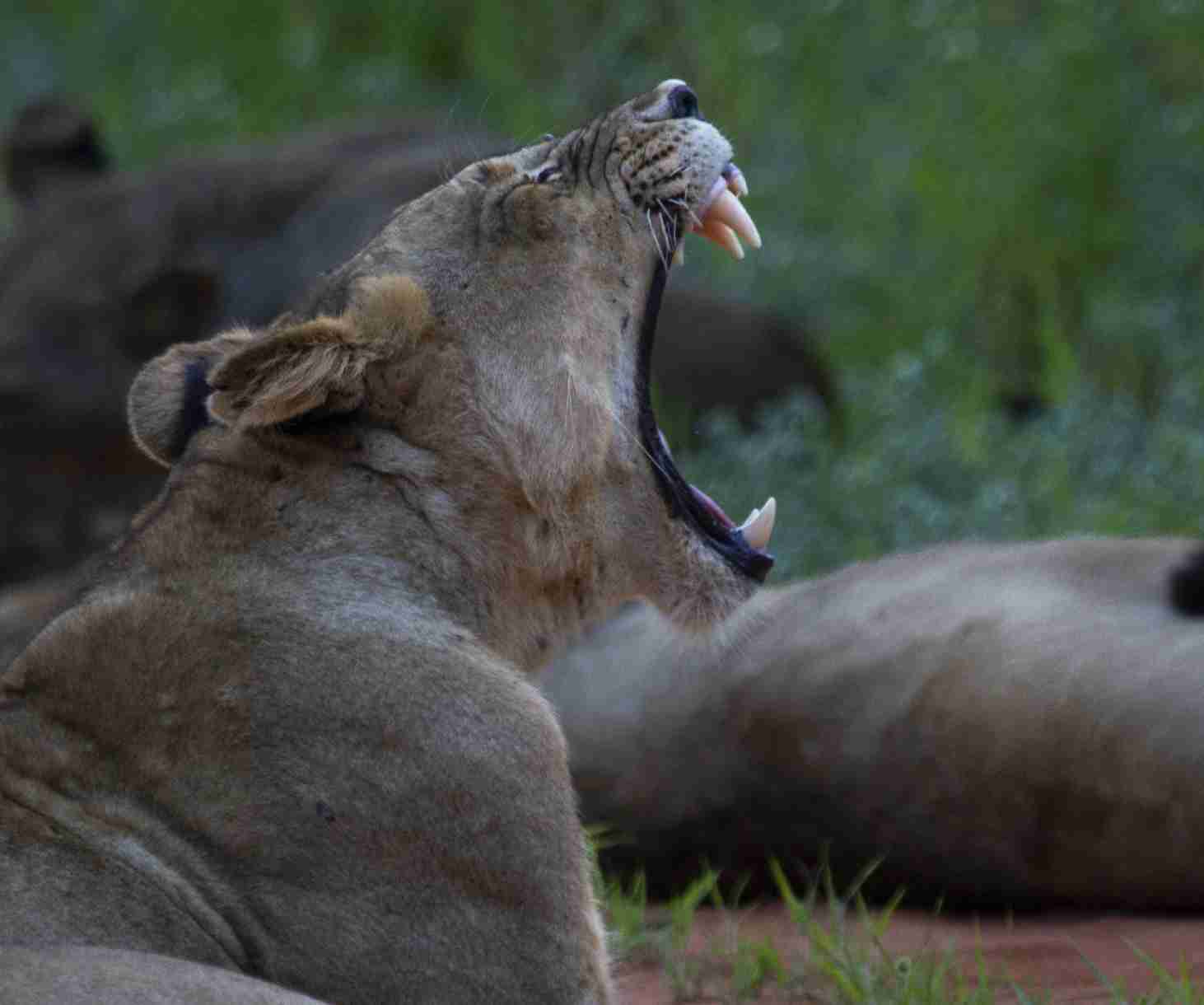
Phundundu boasts an intact predator guild – with resident lion, leopard, wild dog, spotted hyaena, and occasional cheetah. Here, we also protect healthy populations of pangolin and pythons from the illicit international wildlife trade.
AKASHINGA'S IMPACT.
Akashinga’s social impact approach incorporates gender equality, healthcare, education, clean water, and infrastructure development to achieve conservation outcomes.
Community councils retain ownership of the land and actively participate in social impact activities, such as gaining access to necessary resources, in collaboration with Akashinga. Our ISO-certified wildlife crime enforcement programme excels in building indigenous leadership and instructional capacity across the global conservation industry.
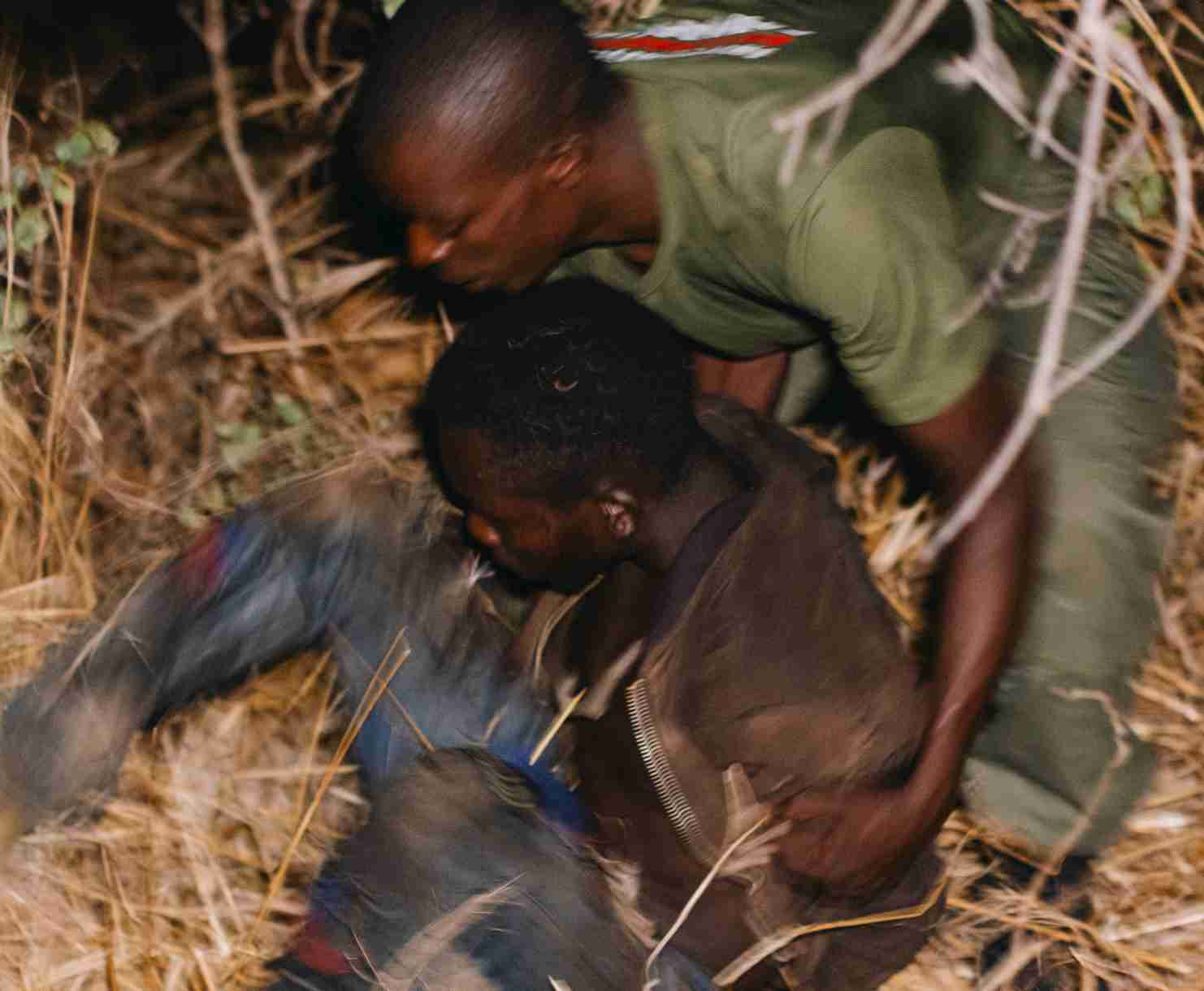
1,622
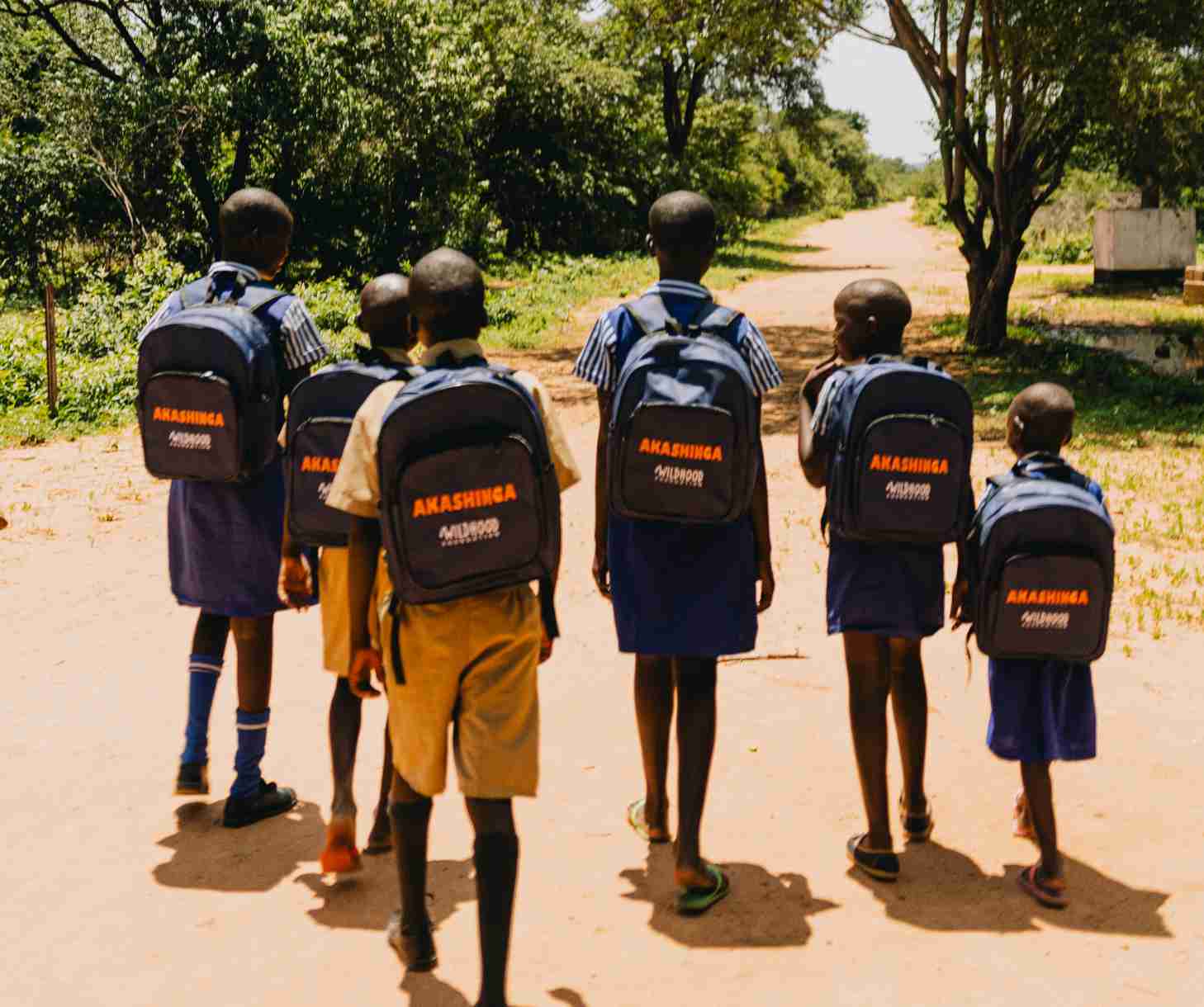
200+
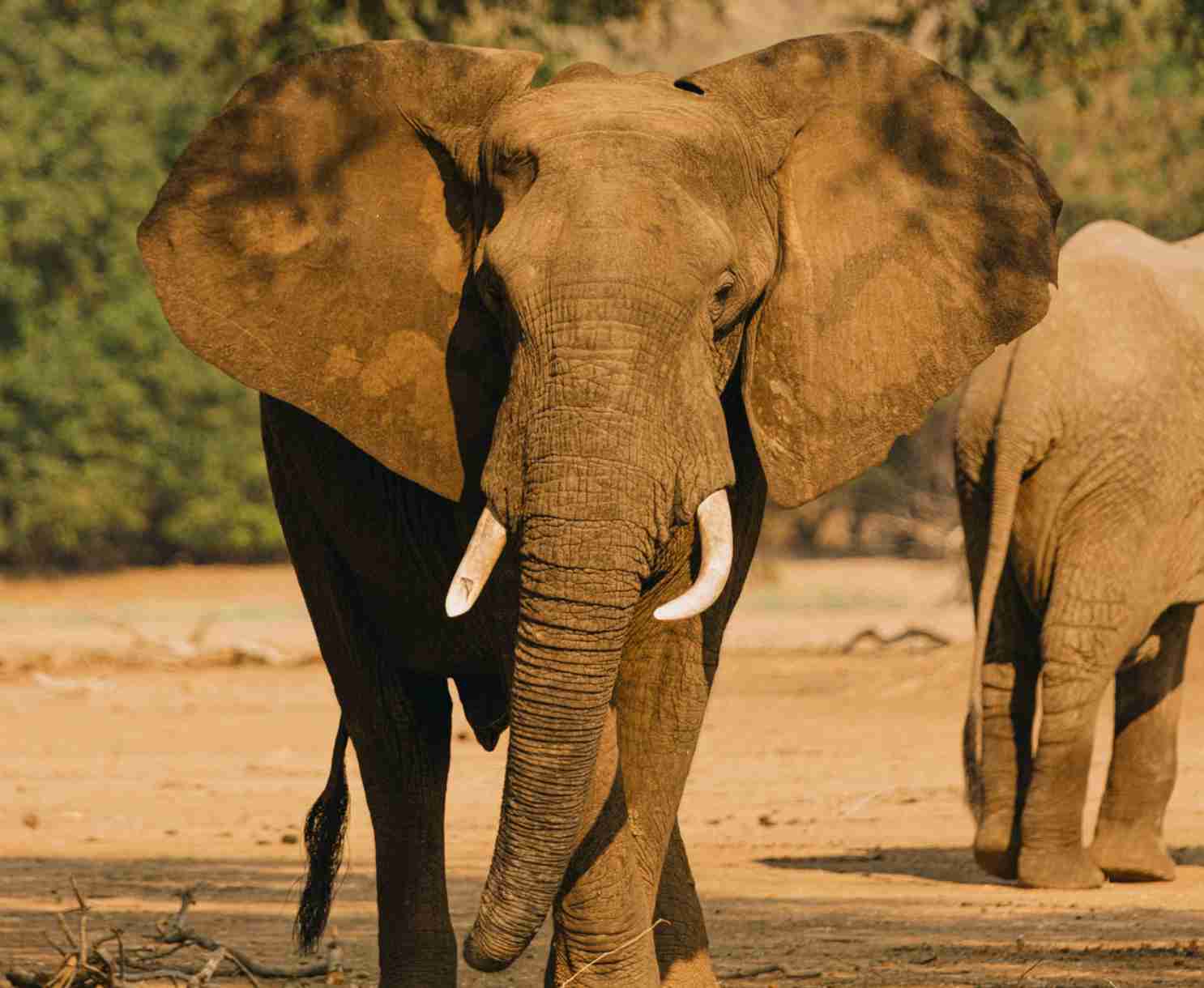
619
conducting over 800 joint operations since 2017..
85
mitigated in 2023.
The pangolin, often referred to as the“scaly anteater,” is a unique mammal known for its distinctive protective scales made of keratin. These elusive creatures face severe threats from illegal trafficking, making them one of the most trafficked mammals in the world and emphasizing the urgent need for their conservation.
Watch a recent operation here